Flooring Installation The Foundation of Durable, Stylish, and Functional Spaces
Flooring Installation is one of the most critical elements in shaping the comfort, appearance, and performance of any interior space. Whether it’s a residential home, a commercial office, or an industrial facility, the right flooring — installed correctly — can enhance aesthetics, improve safety, and increase long-term value. A well-planned installation not only determines how the floor looks on day one, but also how it performs for years to come.
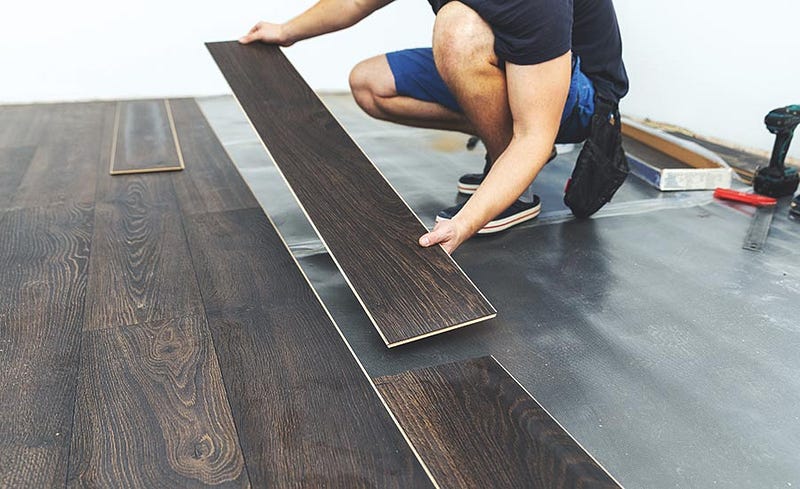
Advantages of Professional Flooring Installation
One of the biggest advantages of proper Flooring Installation is durability. Correct surface preparation, accurate measurements, and suitable adhesives or fixing systems ensure the flooring withstands daily wear and tear. Poor installation often leads to issues like uneven surfaces, gaps, moisture damage, or premature deterioration.
Another major benefit is improved visual appeal. A professionally installed floor creates a seamless, polished look that elevates the entire space. Clean edges, aligned patterns, and smooth transitions between rooms contribute to a high-end finish that is difficult to achieve with shortcuts.
Linoleum Flooring also enhances comfort and functionality. Many flooring systems offer sound insulation, thermal comfort, and improved underfoot support when installed correctly. In commercial environments, proper installation can also help meet safety standards by reducing slips, trips, and structural risks.
Common Applications Across Different Environments
Flooring Installation is versatile and suitable for a wide range of environments. In residential spaces, it plays a key role in defining personal style and comfort. Living rooms, bedrooms, and hallways benefit from floors that balance aesthetics with easy maintenance. For example, Hardwood Flooring is often chosen for homes due to its timeless appeal and ability to add warmth and value.
In commercial settings such as offices, retail stores, and hospitality spaces, Flooring Installation focuses on durability, foot traffic resistance, and professional appearance. Materials must withstand constant use while maintaining their visual quality. In healthcare facilities and educational institutions, hygiene and ease of cleaning become top priorities, making options like Linoleum Flooring a practical and sustainable solution.
Industrial and technical environments also rely heavily on specialized Flooring Installation. Warehouses, data centers, and laboratories require flooring systems that support heavy equipment, manage cabling, or resist moisture and chemicals. In such cases, Raised Flooring is widely used to allow easy access to electrical and HVAC systems while maintaining a clean and organized surface.
Why Flooring Installation Is a Great Choice for Modern Needs
Modern Flooring Installation solutions are designed to meet evolving lifestyle and business requirements. One key reason it’s a great choice today is adaptability. With advancements in materials and installation techniques, flooring can now be customized for specific performance needs, such as noise reduction, thermal insulation, or water resistance.
Moisture protection is another major factor. Kitchens, bathrooms, basements, and commercial spaces often face water exposure. Installing Waterproof Flooring helps prevent damage, mold growth, and costly repairs, making it an ideal option for both residential and commercial environments.
Sustainability is also driving flooring choices. Many flooring materials and installation methods now prioritize eco-friendly production, low emissions, and long life cycles. Proper Flooring Installation ensures these benefits are fully realized by reducing waste and extending the floor’s usable lifespan.
Maintenance Tips to Extend Floor Life
Effective maintenance starts with correct Flooring Installation. A properly installed floor is easier to clean and maintain over time. Regular sweeping or vacuuming removes dirt and grit that can scratch surfaces. For deeper cleaning, using manufacturer-recommended products helps preserve the floor’s finish and structural integrity.
Preventive care is equally important. Using mats at entry points reduces the amount of debris brought indoors. Furniture pads protect floors from scratches, while controlling indoor humidity helps prevent expansion or contraction, especially in natural materials.
Periodic inspections can also make a big difference. Checking for loose edges, minor cracks, or moisture signs allows for early repairs before problems escalate. This proactive approach keeps flooring looking new and functioning well for years.
Conclusion
Raised Flooring is far more than a finishing touch — it is the foundation that supports daily activities, design goals, and long-term performance. With benefits ranging from durability and comfort to aesthetic appeal and adaptability, it plays a crucial role in every environment. By choosing the right flooring type, ensuring proper installation, and following smart maintenance practices, any space can achieve a perfect balance of style, strength, and functionality.


Comments
Post a Comment