Linoleum Flooring A Timeless, Sustainable, and Practical Choice for Modern Spaces
When it comes to flooring solutions that balance durability, sustainability, and style, linoleum flooring stands out as a classic option that continues to thrive in modern interiors. Often misunderstood or confused with vinyl, linoleum is a natural, resilient flooring material with a long history and renewed relevance in today’s eco-conscious world. From homes and offices to healthcare and educational facilities, linoleum flooring offers a unique blend of performance and aesthetics that make it a smart long-term investment.
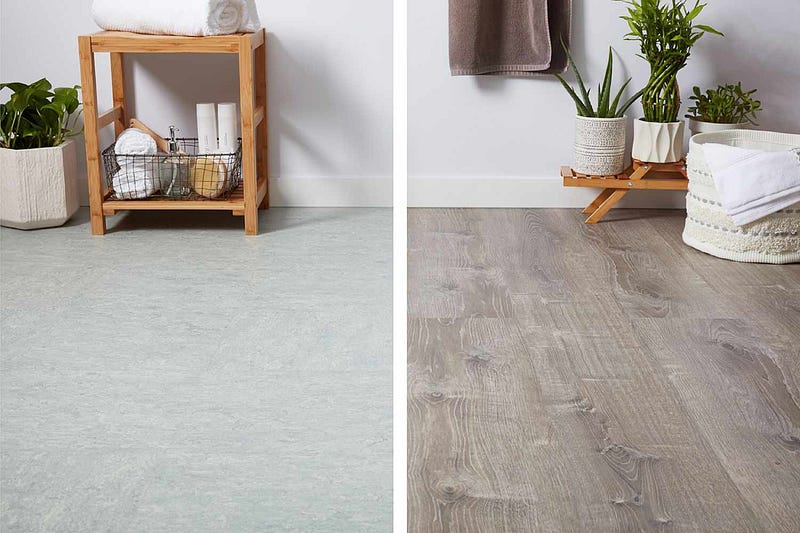
What Is Linoleum Flooring?
Linoleum flooring is made from natural, renewable materials such as linseed oil, cork dust, wood flour, limestone, and natural pigments, all backed by jute fabric. This composition makes it biodegradable, low in VOCs, and environmentally friendly. Available in sheets, tiles, and planks, linoleum flooring comes in a wide range of colors, patterns, and finishes, allowing it to complement both traditional and contemporary designs.
Key Advantages of Linoleum Flooring
One of the most compelling reasons to choose linoleum flooring is its durability. With proper care, it can last 30 to 40 years, making it a cost-effective solution over time. Unlike some synthetic flooring options, its color and pattern run through the entire thickness, so scratches and wear are far less noticeable.
Another major advantage is sustainability. Because it is made from natural materials, Decking Flooring is an excellent choice for green buildings and environmentally responsible projects. It is also naturally antibacterial, which helps inhibit the growth of microbes — an important benefit for healthcare and childcare environments.
Comfort is another strong point. Linoleum flooring has a slightly cushioned feel underfoot, reducing fatigue when standing for long periods. It also offers good acoustic properties, helping to reduce noise in busy spaces.
Common Applications of Linoleum Flooring
Thanks to its resilience and hygiene benefits, linoleum flooring is widely used in hospitals, clinics, and laboratories. Its easy-to-clean surface and antibacterial properties make it ideal for these high-demand environments.
Educational institutions such as schools and universities also favor linoleum flooring for classrooms, corridors, and libraries due to its durability, safety, and wide color selection that can enhance learning spaces.
In residential settings, linoleum flooring works well in kitchens, bedrooms, and living areas. It provides a warmer and quieter alternative to Marble Flooring, while still offering a clean and refined appearance. In offices and commercial spaces, it delivers a professional look with minimal maintenance requirements.
Maintenance Tips for Long-Lasting Performance
Maintaining linoleum flooring is relatively simple, which adds to its appeal. Regular sweeping or vacuuming removes dirt and grit that can cause surface wear. Damp mopping with a pH-neutral cleaner is usually sufficient for routine cleaning.
Avoid using harsh chemicals or excessive water, as these can damage the surface over time. Placing mats at entryways helps reduce tracked-in dirt, and furniture pads can prevent dents or scratches. Periodic polishing or resealing, depending on the product type, can help restore shine and extend the life of the flooring.
Linoleum Flooring vs. Other Popular Flooring Options
Compared to Hardwood Flooring, linoleum flooring is more resistant to moisture and easier to maintain, making it suitable for areas where wood may not perform well. While hardwood offers natural grain and prestige, linoleum provides a practical and sustainable alternative with greater versatility.
In contrast to Decking Flooring, which is primarily designed for outdoor use, linoleum flooring excels indoors by offering comfort, hygiene, and design flexibility. It is also a more environmentally friendly option than many outdoor composite materials.
When evaluated against WPC Flooring, linoleum flooring stands out for its natural composition and long lifespan. While WPC flooring offers water resistance and ease of installation, linoleum appeals to those seeking a truly eco-friendly and time-tested solution.
Why Linoleum Flooring Is a Smart Choice
Linoleum flooring is more than just a nostalgic material — it is a forward-thinking choice that aligns with modern values of sustainability, durability, and health. Its natural ingredients, wide design options, and low maintenance requirements make it suitable for a variety of environments, from busy commercial spaces to comfortable homes.
For anyone seeking a flooring solution that combines performance with environmental responsibility, linoleum flooring remains a reliable and stylish option that continues to prove its worth across generations.


Comments
Post a Comment