Linoleum Flooring A Timeless, Sustainable, and Practical Choice for Modern Spaces
When it comes to durable and eco-friendly flooring solutions, Linoleum Flooring continues to stand out as a reliable option for both residential and commercial environments. Although it has been around for decades, linoleum has evolved significantly in terms of design, performance, and versatility. Made from natural materials like linseed oil, cork dust, wood flour, and jute backing, linoleum flooring offers a unique combination of sustainability, durability, and aesthetic appeal that makes it relevant even in today’s design-driven world.
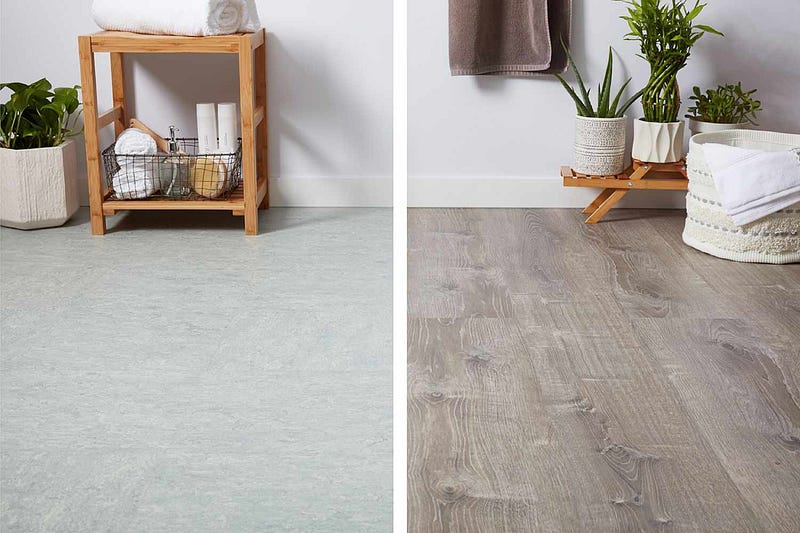
What Makes Linoleum Flooring Unique
One of the most defining characteristics of linoleum flooring is its natural composition. Unlike many synthetic flooring options, linoleum is biodegradable and renewable, making it an excellent choice for environmentally conscious homeowners and businesses. Its color runs through the entire thickness of the material, which means scratches and wear are far less visible over time. This feature allows linoleum floors to maintain their appearance even in high-traffic areas.
Linoleum flooring is often compared with Vinyl Flooring, but the two are fundamentally different. While vinyl is a synthetic product made from plastics, linoleum relies on natural raw materials, giving it a lower environmental footprint and better indoor air quality.
Key Advantages of Linoleum Flooring
Durability is one of the biggest advantages of linoleum flooring. With proper care, it can last 30 to 40 years, making it a cost-effective long-term investment. Its resilient surface is comfortable underfoot, reduces noise, and offers excellent resistance to wear and tear.
Another major benefit is hygiene. Linoleum has natural antibacterial properties that inhibit the growth of microbes, making it ideal for spaces where cleanliness is critical. It also resists dust and allergens, contributing to a healthier indoor environment.
From a design perspective, linoleum flooring is available in a wide range of colors, patterns, and textures. Modern manufacturing techniques allow it to mimic the look of premium surfaces while retaining its functional benefits. This versatility makes it a strong alternative to Wood Flooring in areas where moisture or heavy foot traffic might be a concern.
Common Applications of Linoleum Flooring
Linoleum flooring is widely used across various environments due to its adaptability and performance. In residential settings, it works exceptionally well in kitchens, hallways, and living areas because of its durability and ease of maintenance. Its warm, slightly cushioned feel also makes it comfortable for prolonged standing.
In commercial spaces, linoleum flooring is a popular choice for schools, hospitals, offices, and retail stores. Its ability to withstand heavy use while maintaining a clean and professional appearance makes it highly practical. Healthcare and educational facilities particularly value linoleum for its hygiene benefits and slip-resistant surface.
Compared to PVC Flooring, linoleum is often preferred in environments that prioritize sustainability and long-term performance over short-term cost savings.
Maintenance Tips for Long-Lasting Performance
Maintaining linoleum flooring is relatively simple, which adds to its overall appeal. Regular sweeping or vacuuming helps remove dirt and debris that could cause surface scratches. Damp mopping with a mild, pH-neutral cleaner is usually sufficient to keep the floor clean and fresh.
Avoid using harsh chemicals or excessive water, as these can damage the surface over time. Applying a protective finish or polish periodically can enhance shine and provide an extra layer of protection against wear. With consistent care, linoleum flooring retains its color, texture, and resilience for decades.
Unlike Parquet Flooring, which may require refinishing or specialized treatments, linoleum’s maintenance routine is straightforward and budget-friendly.
Why Linoleum Flooring Is a Smart Choice
Linoleum flooring offers a balanced blend of sustainability, durability, and design flexibility. It is particularly well-suited for environments that demand long-lasting performance, hygienic surfaces, and easy upkeep. Its natural materials make it a responsible choice for eco-conscious projects, while its wide range of styles ensures it can complement both classic and contemporary interiors.
Whether you are renovating a home, designing a commercial space, or planning a large-scale project, linoleum flooring provides a dependable solution that stands the test of time. By choosing linoleum, you invest not only in a durable floor but also in a healthier, more sustainable future.


Comments
Post a Comment